What Should Kittens Eat? Complete Kitten Food & Feeding Guide
A practical guide to kitten nutrition, feeding schedules, what to feed kittens by age, wet vs dry food, foods to avoid and healthy growth.
What Should a Kitten Eat?
The answer depends mainly on age. Newborn kittens normally depend on their mother for milk. During weaning, kittens gradually learn to eat solid food. Once weaned, choose a complete and balanced food formulated for kittens or growth.
Kitten Feeding Guide by Age
| Age | What to feed | General approach |
|---|---|---|
| 0–3 weeks | Mother’s milk or kitten milk replacer | Frequent milk feeds |
| 3–4 weeks | Milk + beginning solid food | Start gradual weaning |
| 4–8 weeks | Kitten food + decreasing milk | Gradually increase solid food |
| 8 weeks–6 months | Complete kitten food | Several small meals |
| 6–12 months | Complete kitten food | Usually fewer meals as the kitten grows |
When Can Kittens Start Eating Solid Food?
Kittens generally begin weaning at around 3–4 weeks. Introduce appropriate kitten food gradually while normal milk feeding continues. Most kittens are fully weaned by around 8 weeks.
What Is the Best Food for a Kitten?
There isn’t one universally best brand for every kitten. Look for a complete and balanced diet formulated for growth or kittens. Nutritional completeness matters more than marketing words such as “premium” or “natural.”
Wet Food vs Dry Food for Kittens
Both wet and dry kitten foods can be appropriate when they provide complete and balanced nutrition. Wet food contains more moisture, while dry food is convenient and easy to measure. Some kittens can eat a combination of both.
How Often Should You Feed a Kitten?
Young kittens generally do well with small, frequent meals. From around 8 weeks to six months, three or four meals per day is a useful starting point for many kittens. Older kittens can often move toward two meals a day depending on individual needs.
How Much Should a Kitten Eat?
There is no single amount that fits every kitten. Age, body weight, growth rate, activity, calorie density and health all matter. Start with the feeding guide on the specific food and monitor healthy growth and body condition.
Do Kittens Need Milk?
Newborn kittens need mother’s milk or an appropriate kitten milk replacer if the mother is unavailable. Weaned kittens do not need cow’s milk as a regular part of their diet. Fresh water should be available instead.
Foods Kittens Should Avoid
Avoid giving kittens potentially toxic or harmful foods such as chocolate, alcohol, onions, garlic and caffeinated drinks. Heavily seasoned foods and unsafe bones should also be avoided. If you suspect poisoning, contact a veterinarian promptly.
How to Change Your Kitten’s Food
Change foods gradually over roughly 3–7 days. Start with a small amount of the new food and increase it while reducing the old food. If vomiting, significant diarrhoea or refusal to eat occurs, slow the transition and seek veterinary advice.
How Much Water Should a Kitten Drink?
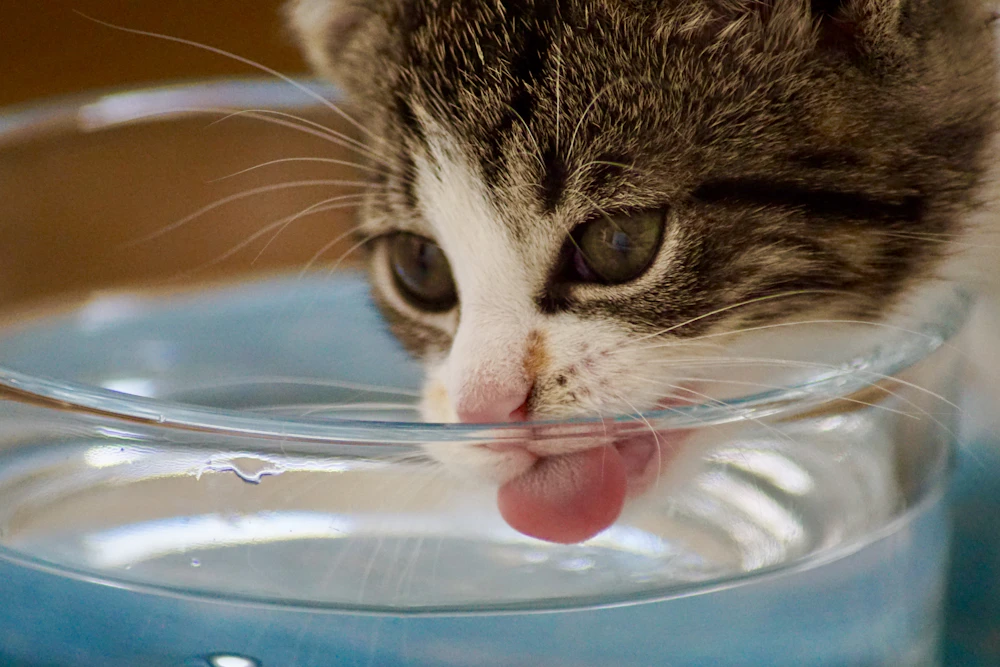
Once weaned, kittens should have access to fresh, clean water at all times. Multiple water sources can be useful, and water can be kept separate from food and the litter box.
When Should You Take a Kitten to the Vet?
- Stops eating or has a sudden appetite change
- Repeated vomiting or persistent diarrhoea
- Weakness or unusual lethargy
- Weight loss or poor growth
- Difficulty eating or breathing
- Possible ingestion of a toxic substance
Frequently Asked Questions
Can a 1-month-old kitten eat dry food?
A one-month-old kitten is usually beginning the weaning process. Soft or moistened kitten food may be easier initially, with a gradual transition to solid food.
Can kittens eat adult cat food?
Kittens should generally eat food formulated for growth because their nutritional requirements differ from adult cats.
How long should kittens eat kitten food?
Many kittens remain on a growth-formulated diet until around 12 months, although individual needs vary.
Can kittens drink cow’s milk?
Routine cow’s milk is not recommended. Weaned kittens do not need it, and lactose can cause digestive upset in some cats.
Is wet food better than dry food?
Neither is automatically better for every kitten. Both can be appropriate when they are complete and balanced for growth.
Final Takeaway
Feeding a kitten doesn’t have to be complicated. Feed according to age, choose complete kitten food, provide small regular meals, offer fresh water, change foods gradually, and watch appetite and healthy growth.
If your kitten is very young, orphaned, sick, not eating or failing to gain weight, contact a veterinarian for individualized advice.